
Most of my friends decided to get married in 2021, and I have to say, it really cemented adulthood for me. One moment we were just hanging out and living our lives, and the next, my friends were all seriously talking about marriage? It was a wild shift, but what isn’t wild about adulthood?
As a Nigerian, I know that when you’re invited to a Nigerian wedding, especially if it’s a friend’s wedding, you’ve got to show up and show out. Nigerians don’t play when it comes to events, and weddings are no exception.
3 weddings in a year? You bet I had to find a tailor ASAP! Now, Nigerian tailors are notorious for disappointing, but not Merit. A friend introduced me to her, and the rest, as they say, is history.

Gift in Mereagle
Merit is an incredible seamstress and fashion designer. The way she balances that with being a Product Manager? Honestly, I still can’t wrap my head around it.
In this episode of Fempreneur Journal, I sit down with Merit, my amazing seasmstress that breathes fashion to life, and we dive into how she manages to juggle both worlds.

Thank you so much, Merit, for agreeing to do this with me. I’m constantly in awe of you and your talent.
Thank you for the opportunity.
Let’s get right into it! You’ve got to be God’s favorite child to combine a love for fashion with Product Management. How did you get into Product Management, and what did you study in school to get there?
Haha, that’s quite the combo, right? I started my career in Customer Service, spending about 3 years interacting directly with customers. Over time, I noticed that many of the complaints I handled were actually rooted in issues with the products themselves. So, after 4 years working in banking, I decided to make a switch. I wanted to play a bigger role in shaping the products customers actually use and help create better solutions.
Interestingly, I studied Health Education in school, with plans to pursue medicine. But during my National Youth Service (NYSC), I worked with an NGO supporting out-of-school kids. I saw firsthand how financial resources can change lives, and that sparked my interest in finance. That led me to banking and eventually, product management, where I now focus on creating impactful solutions for customers.
What does your day-to-day job as a Product Manager look like?
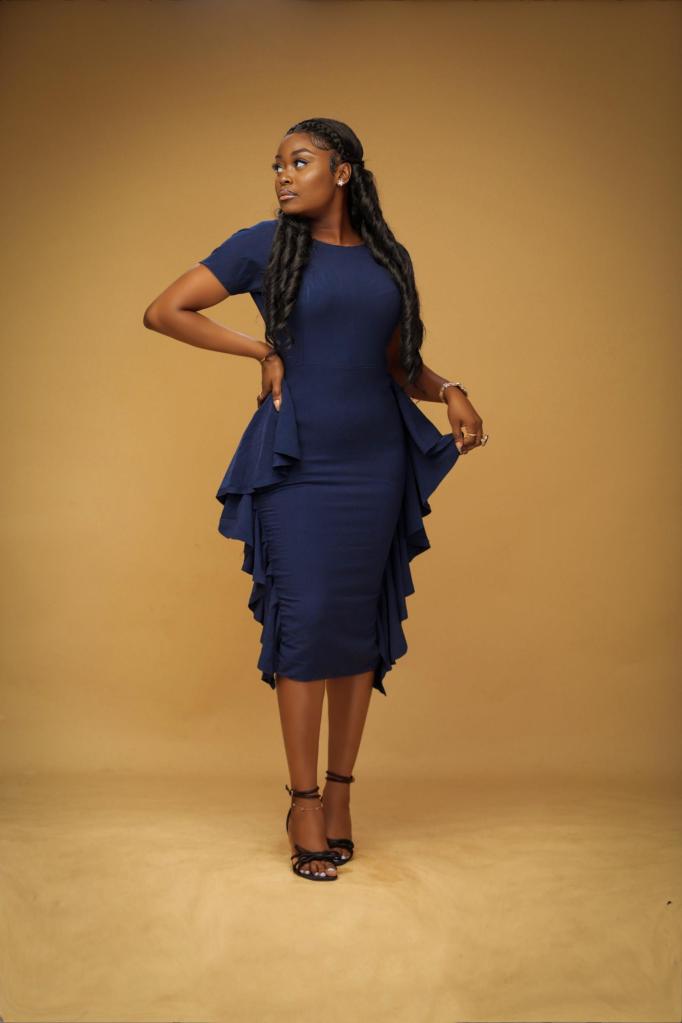
My day is filled with research, problem-solving, and collaboration. I analyze current solutions, track competitor trends, gather customer feedback, and identify areas for improvement. I also work closely with stakeholders to create guidelines and wireframes that guide product updates and fixes. Ultimately, my goal is to build better products, scale performance, and ensure seamless execution.
What do you love the most about working as a Product Manager?
The best part is seeing ideas evolve from brainstorming sessions to actual products. Turning concepts into something tangible is really fulfilling.
How can a newbie get into Product Management?
Start by learning the basics of what product management is and why it matters. Reflect on your own experiences as a consumer, think about the products you love and why. Then, take courses, earn certifications, and try to gain hands-on experience through internships. If you’re already working in another field, connect with the product team in your company or get involved in corporate communities to build your network. That will help set you up for success.
What advice do you have for someone with no prior work experience?
Same approach! Learn the basics, build your skills through online courses, and make sure to network. Internships are key, they give you real-world experience and help you learn on the job.
What’s the hardest part of your job?
Stakeholder management is definitely the hardest part.
Can you explain what that means in simpler terms?
Sure! Essentially, it means balancing the priorities, expectations, and perspectives of different people involved in the product. It’s about communicating clearly, aligning everyone with the product vision, and managing conflicting interests while keeping things moving forward.
Do you think Product Management is a lucrative career?
Absolutely! Every industry needs a Product Manager. While tech has made the role more visible, any field that involves creating and sustaining products needs someone in this position. With the responsibility and impact that comes with the role, the reward is definitely there.

Amazing! I’m glad to hear that. Now, let’s talk fashion. How did you get into that?
Fashion kind of happened to me. My mum is a fashion designer, but I wasn’t always around her enough to learn the craft. As a tomboy in my early teens, fashion wasn’t on my radar. But by my late teens, I started joining the church choir and embracing my girly side. That’s when my taste in fashion began to evolve. I always wanted something unique, but sometimes my mum had to prioritize her clients over my ideas, so I thought, ‘Why not make my own clothes?’
I started experimenting and ruined a lot of fabric along the way, but eventually, I managed to bring my ideas to life. Even my mum started asking, ‘Did you really make this?’ That’s when I knew fashion had really found its place in my life.
A few months into my NYSC in Lagos, my mum sent me one of her machines, and that’s when I started making fashion a business. I learned mostly through hands-on experimentation, with my mum offering guidance whenever she could.

Pricing has always been a challenge for business owners and freelancers, especially in Nigeria. How do you ensure you keep your prices fair and also make profit?
Pricing your work starts with accounting for all costs—materials, logistics, and shared resources like elming gum that span multiple projects. Break these down per piece to get an accurate cost.
Next, factor in your service value. Determine your hourly rate and estimate the time required for the job. Benchmarking helps too, check industry rates, but always charge your worth rather than blindly matching others.
Finally, leave room for negotiation. Clients love to haggle (it’s just in them, lol), so a little flexibility can help you seal the deal while still making a profit.

It’s an open secret that running a business in Nigeria is the absolute trenches. How do you navigate that with your work?
Lol at ‘trenches’, but honestly, I enjoy running my business in Nigeria, especially in Lagos. Sure, the economy could be better, but the clientele base is massive, and Lagos is an incredibly stylish city.
Now, imagine juggling that with a full-time job and sometimes spending what feels like another eight hours in traffic (I’m exaggerating, but you get the picture). I’ve managed to navigate these challenges by prioritizing location. Whenever I house-hunt, I focus on central areas to cut down on commuting time. I also choose hybrid work options to give myself enough time to recharge after work. This is important because I mostly sew in the dead of night, lol.
Another major factor is electricity. Investing in a good generator is often a more affordable alternative to inverters, and choosing areas with better power supply helps reduce operational costs. Expenses like these can be factored bit by bit into your overall pricing.
In my opinion, Nigeria will always be favorable for business owners. It’s a busy, dynamic city with endless opportunities if you know how to manage your time and resources.
How do you manage the creative aspects of fashion design with the more analytical aspects of product management?
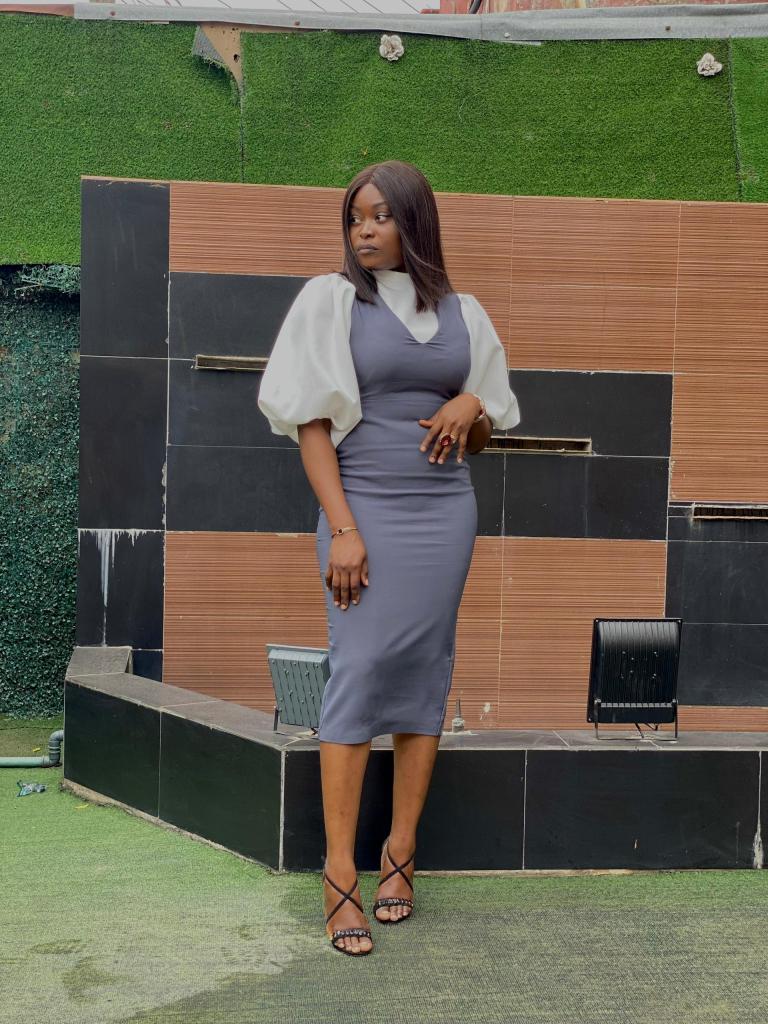
For me, it’s all about balance and knowing when to switch gears. Fashion design taps into my creative side; bringing ideas to life, experimenting with textures, and focusing on aesthetics. Product management, on the other hand, requires a more analytical mindset—thinking about processes, user needs, and outcomes.
I’ve learned to approach both with a problem-solving mentality. In fashion, every design starts with understanding the client’s needs, just like in product management, where the user’s pain points guide decision-making. Creativity helps me think outside the box when building products, while my analytical side keeps my designs practical and functional.
I also set clear boundaries. When I’m in design mode, I allow myself the freedom to explore and innovate. When it’s time for product management, I lean on data and structure. Both worlds feed into each other; creativity sharpens my ability to think innovatively, while analytical thinking keeps my creative process grounded and customer-focused.

This is exactly why I always say you’re a superstar! Now, tell my readers where you get your design inspiration from? Most times, I come to you with no idea of what I want, yet you always manage to create something amazing. How do you do it?
Yo! The fabric like, mostly! Always! Once I see a fabric, I almost instantly get a picture in my mind of what I can do with it, it’s like a revelation, lol. I’m not sure when in my journey I caught this gift, but I think it’s been there from the start. That’s why fabric shopping is one of my favorite things to do. The moment I step into the cloth market, I get a creative rush—ugghhh, bliss.
Another factor is my client’s body type. Certain designs work best for specific shapes, and that’s always at the back of my mind. Thirdly, I consider their boundaries. For example, a client might have the perfect shoulders for an off-shoulder dress, but if they’re not comfortable showing skin, I respect that. That’s when improvising comes in. I always say confidence is the ultimate slay, so my goal is to ensure every client feels great in what I make for them. I offer a range of options and work within their comfort zone.
Finally, I believe in feeding your imagination constantly. Platforms like Pinterest and Instagram are goldmines for inspiration. Following stylish people and pages keeps my creativity fresh, so when a client comes with no idea in mind, I already have plenty of options up my sleeve.

Do you think your experience in fashion helps product management and vice versa?
These days, they feel almost the same to me. I apply my experience both ways. Fashion requires customer-centricity, and so does product management. Just as I want my clients to be happy when they come for their fittings, I strive to build customer-centric products that deliver real satisfaction.
And let’s be honest, not every customer is bubbly and lovely. Some are tough, even when you’re on the same side. Dealing with those experiences in fashion has strengthened my ability to manage stakeholders in the corporate world.
On the flip side, working in corporate and leading a whole team has made me better at managing my business staff. The skills; whether it’s handling people, solving problems, or staying customer-focused translate seamlessly between both worlds.

How do you stay current with fashion trends?
Social media gives me instant access to so many options way faster than attending every event. Pinterest is my all-time fave for its cool search features. I also make sure to follow fashion influencers because, as their name implies, they truly shape trends.
What is your favourite fashion project and why?
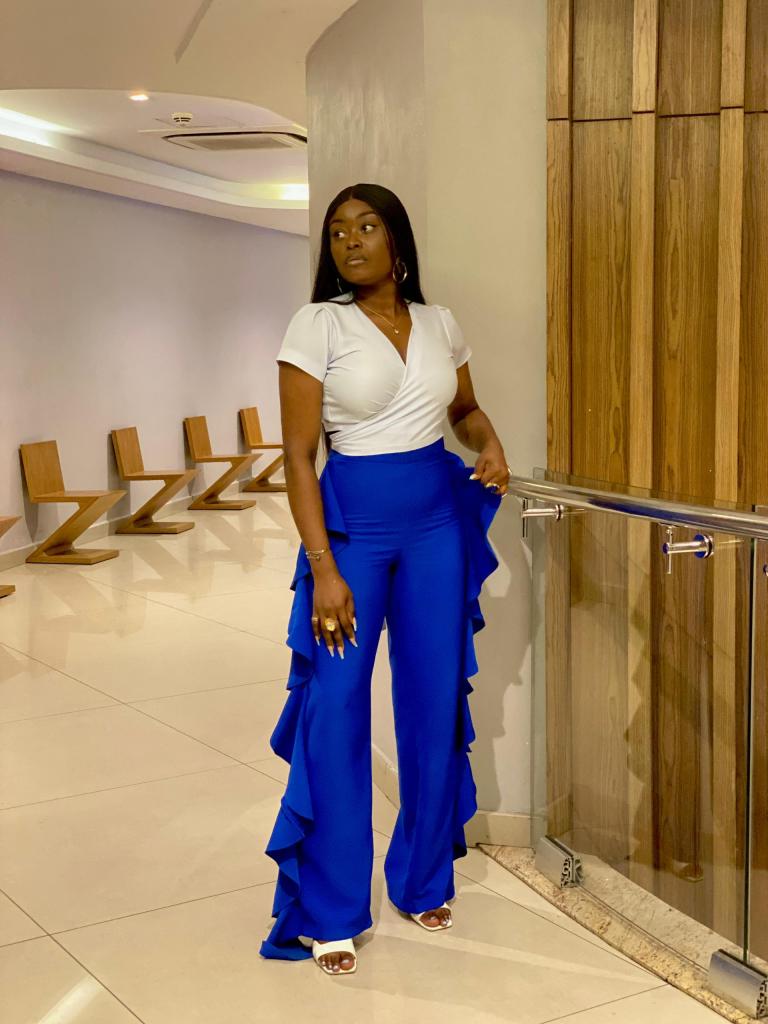
My favorite project has to be the ‘Revive Series’ launching in May. It’s not just about fashion, it’s a call to every woman who’s ready to rise, to restart, or to level up. This collection is about embracing your journey and building something stronger, better, and more powerful than before. Each piece is crafted to remind you that you can always reinvent yourself while staying bold, confident, and effortlessly stylish. If you’re ready to make a statement and step into your next chapter, the ‘Revive Series’ is for you.
I am in awe Merit and I can’t wait to shop from the new series. What advice do you have for young people, especially women who want to start businesses and those who have corporate careers and want to combine this with a side hustle?
For young people, especially women looking to start a business, just start. Don’t wait for the perfect time or the perfect plan because there’s no such thing. Start small if you have to, but start. Focus on building something you’re passionate about because passion will keep you going when things get tough (and trust me, they will). Also, don’t shy away from learning, whether it’s through research, mentorship, or simply trial and error.
For those with successful corporate careers who want to run a business on the side, the key is balance and intentionality. Be realistic about your time and energy, set boundaries and automate or delegate where you can. Prioritize businesses that align with your skills or interests; it makes juggling both worlds easier. And most importantly, don’t burn out. Your corporate role funds your business, so protect both by creating systems that let you thrive in both spaces.
Finally, give yourself grace. You won’t always have it all figured out, and that’s okay. Consistency over perfection wins every time.

Where can we find you on social media, or if we want to book your services?
You can find my business on Instagram at @fab.by.mereagle or follow my personal page @Mereagle.
Thank you so much for taking the time to chat with us today. Your journey is truly inspiring!
Hello readers, if you’d like to be interviewed on Fempreneur Journal, send an email to ogewogu@gmail.com. Cheers!






 Gift Wogu
Leave a comment