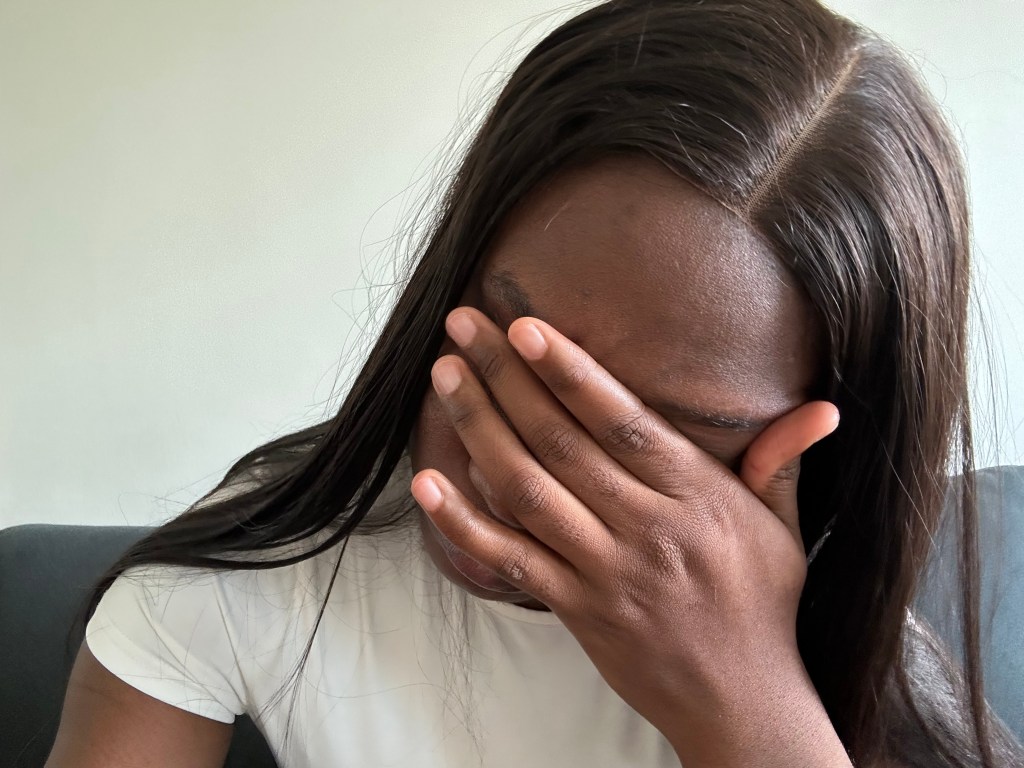
When I left my doctor’s office with the PCOS diagnosis in my hand, I bawled my eyes out.
The first time I ever heard about PCOS, I was an adult, probably over 20. I saw it online, but since it didn’t affect me, I didn’t pay much attention. As I got older, I started hearing people around me talk about it, friends getting diagnosed, and I had to pay attention.
During my brief research, I learned that PCOS was understudied. The symptoms that stood out were irregular periods, weight gain, acne, facial and chin hair, things I wasn’t dealing with. I had chin hair, yes, but I blamed genetics because most of my aunties had it.
When I moved to the UK and started a 9–5, a colleague with PCOS saw my chin hair and said, “You have PCOS.”
Honestly, I was offended. How do you diagnose me with a whole condition just because of chin hair? My periods were regular, my weight was stable, I was fine. The chin hairs were hereditary! I was so annoyed and made it clear I did not have PCOS. She explained she had two kids despite having PCOS, but I got even more offended. Did I tell you I was looking for a child? Where was that coming from?
Later, I learned PCOS can be linked to infertility. It doesn’t mean you can’t have a child, but it can make it harder if not properly managed.
Fast forward to October 2024. I had already moved to Canada and suddenly, my period vanished for a whole month. I wasn’t trying for a child, so I was worried, rightfully so. I blamed stress, but the math wasn’t mathing. So I booked an appointment with my family doctor. We did a pregnancy test, negative, of course and he sent me for an ultrasound.
A few days before the ultrasound, my period finally showed up. I almost cancelled the appointment, but decided to go anyway. What did I have to lose?
The ultrasound was done. The results went to my doctor. And then I got the call:
“Your doctor would like to see you. Does this date work?”
It worked.
At the appointment, I happily told him I’d gotten my period. He smiled and then hit me with the news: I had PCOS. I felt cold shivers run down my spine. I barely remember what he said next, something about medication to regulate my period, help with weight loss, birth control, and seeing a dietitian. Apparently, I’d moved from 63kg to 70.5kg.
I rejected everything he offered and cried as I left his office.
What followed was a deep dive into research, what PCOS is, why it has no cure, how to manage it, how to lose weight, whether it causes infertility, and more.
The first thing I learned was the full meaning of Polycystic Ovary Syndrome. Then I learned that with PCOS, you can’t eat just anything you like. Not every exercise works either. I learned about cortisol, mental health, and the need for a full lifestyle change.
So I made a plan.
My Lifestyle Changes
Cut down sugar:
As a sugar and white-bread lover, this was painful. I dealt with withdrawal symptoms and almost lost my mind.
Changed my milk:
Switching from whole milk to almond milk was not for the faint-hearted.
Ditched seed oils:
I switched to olive and avocado oils, expensive, but worth it.
Ate whole grains:
I didn’t cut carbs, but I focused on quinoa, lentils, and other whole foods.
Exercised:
No gym, just walking. I did 10k steps at least five times a week, and it helped a lot.
Increased fibre:
This made a real difference.
Saw a dietitian:
She was helpful, but personal research guided most of my choices.
Became an oats girlie:
Steel-cut oats with no sugar became my go-to.
Read food labels:
Sugar content became my obsession.
Added vegetables:
Spinach, kale, broccoli, essential.
Became a tea drinker:
Spearmint tea for hair growth, chamomile for sleep, raspberry leaf tea for hormonal balance. (If you’re pregnant, please avoid herbal teas unless cleared by your doctor.)
Added berries:
Blueberries, strawberries, raspberries, antioxidants for the win.
Ate nuts:
Especially almonds.
I’m not saying everything I did will work for you, but it helped me, and it might help you too. Always consult your doctor.
PCOS and Pregnancy
A big question is: “Can I get pregnant with PCOS?”
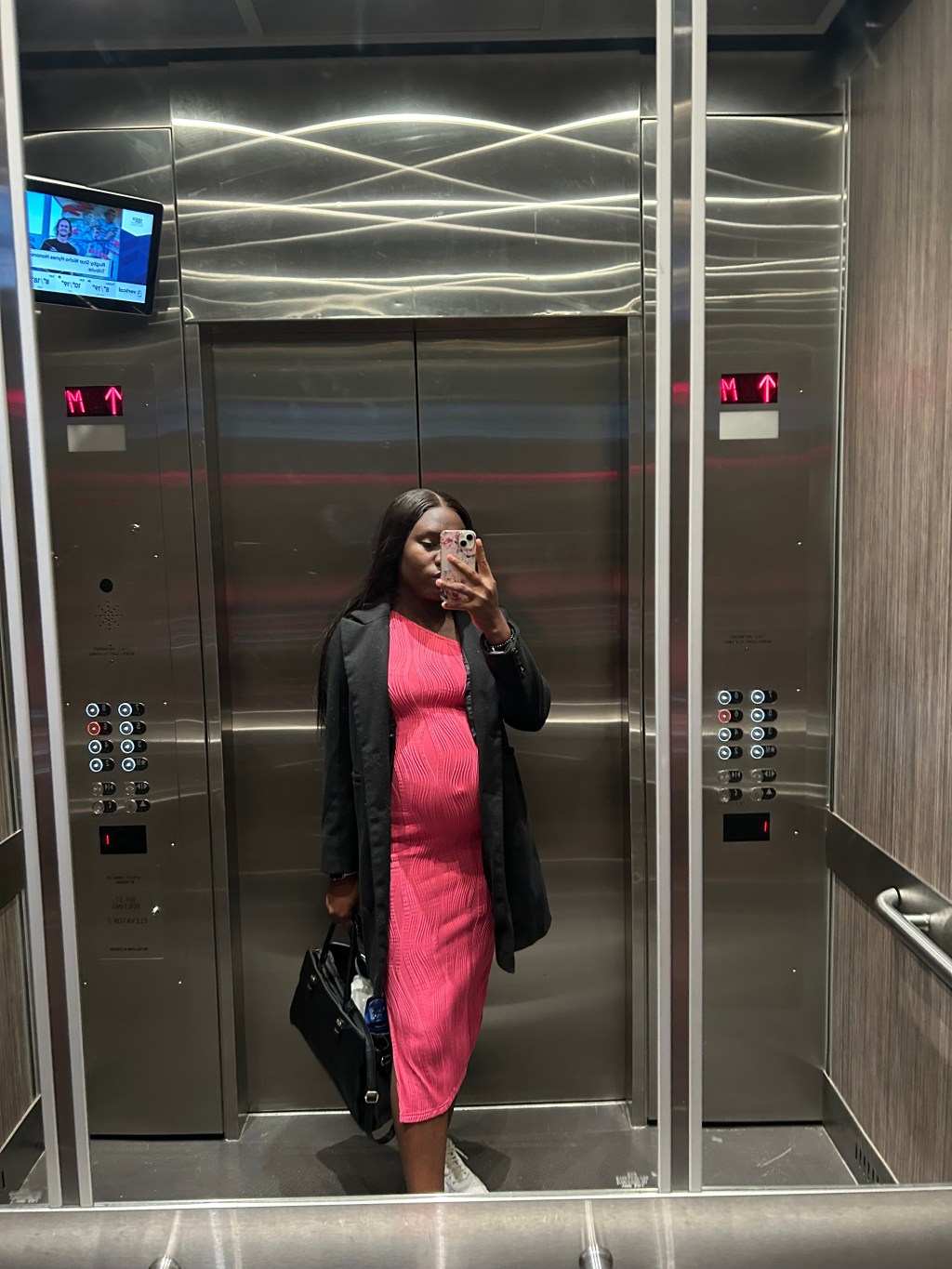
Yes. You can. I did, on the first try.
Your doctor will determine what’s best for you. If your period is missing, medications can help trigger it. Lifestyle changes can also help. I didn’t use medication to regulate my period; I changed my habits and my period became regular until I got pregnant.
PCOS can affect ovulation, and without ovulation, pregnancy is difficult. But there are medications to help with ovulation too. Many women with PCOS get pregnant, myself included. So don’t be discouraged. A scan will confirm if you can ovulate on your own.
FAQs About PCOS
Can I get pregnant with PCOS?
Yes. PCOS does not make you infertile.
Does an irregular period mean I have PCOS?
No. It’s just one possible sign. Only a proper diagnosis confirms it.
Can I have PCOS with a regular period?
Yes, I did.
Does weight gain mean I have PCOS?
It can be an indicator, but not a guarantee.
Can you mention the medication your doctor prescribed?
No, your doctor must determine what’s right for you.
I am grateful to the women on social media, especially TikTok, who shared their PCOS journeys. They helped me feel less alone. In Nigeria, we don’t often talk about conditions like this because of stigma, but I’m glad many women from other cultures, and a few Nigerian women too, are opening up.
If you have PCOS, what are your symptoms and how are you managing them?



 Gift Wogu
Leave a comment